History, page 2
Everyday use · 1874–2013
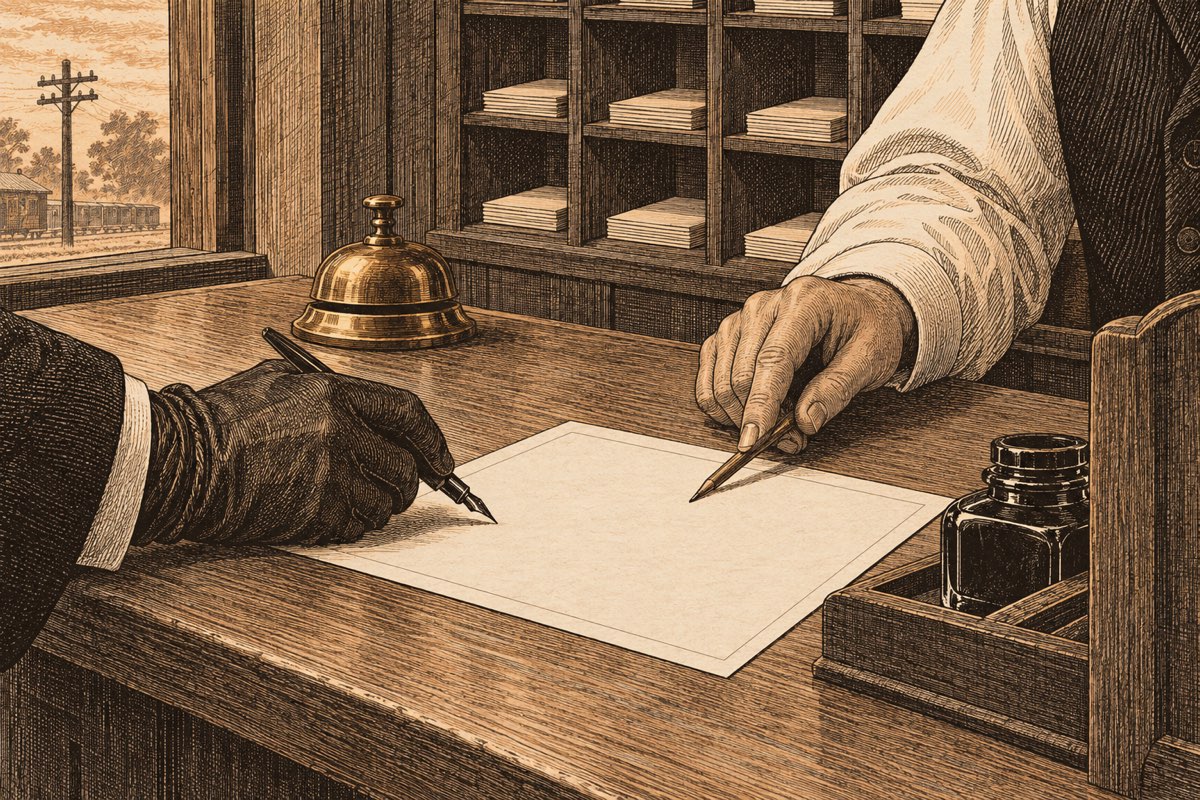
Telegrams, word-counted prices and the word “STOP”
How telegraph companies charged by the word, how customers wrote around the tariff, and where the word “STOP” fits into that history.
At sea · 1900–1912
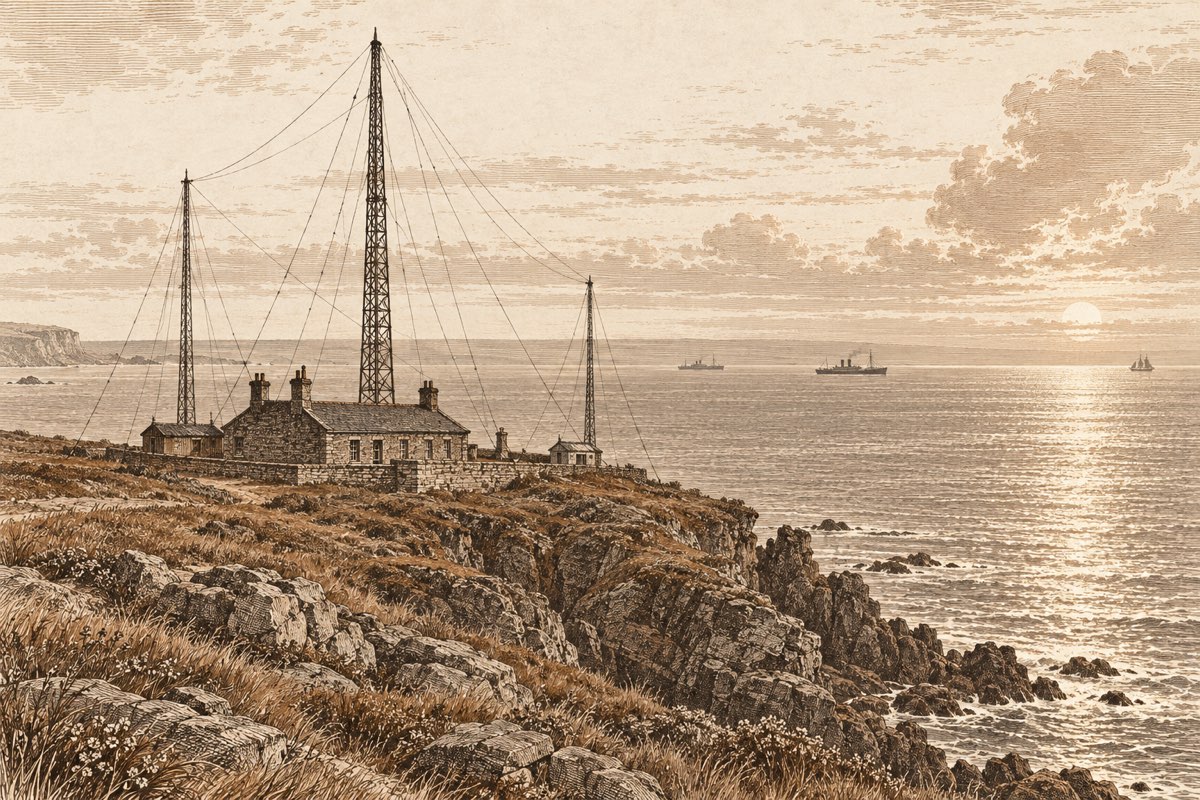
Marconi operators at sea: company men aboard other people’s ships
How the Marconi company leased equipment and operators to shipping lines, what that meant for the operators’ pay and status, and how the company’s refusal to talk to rival systems led to international rules.
1906
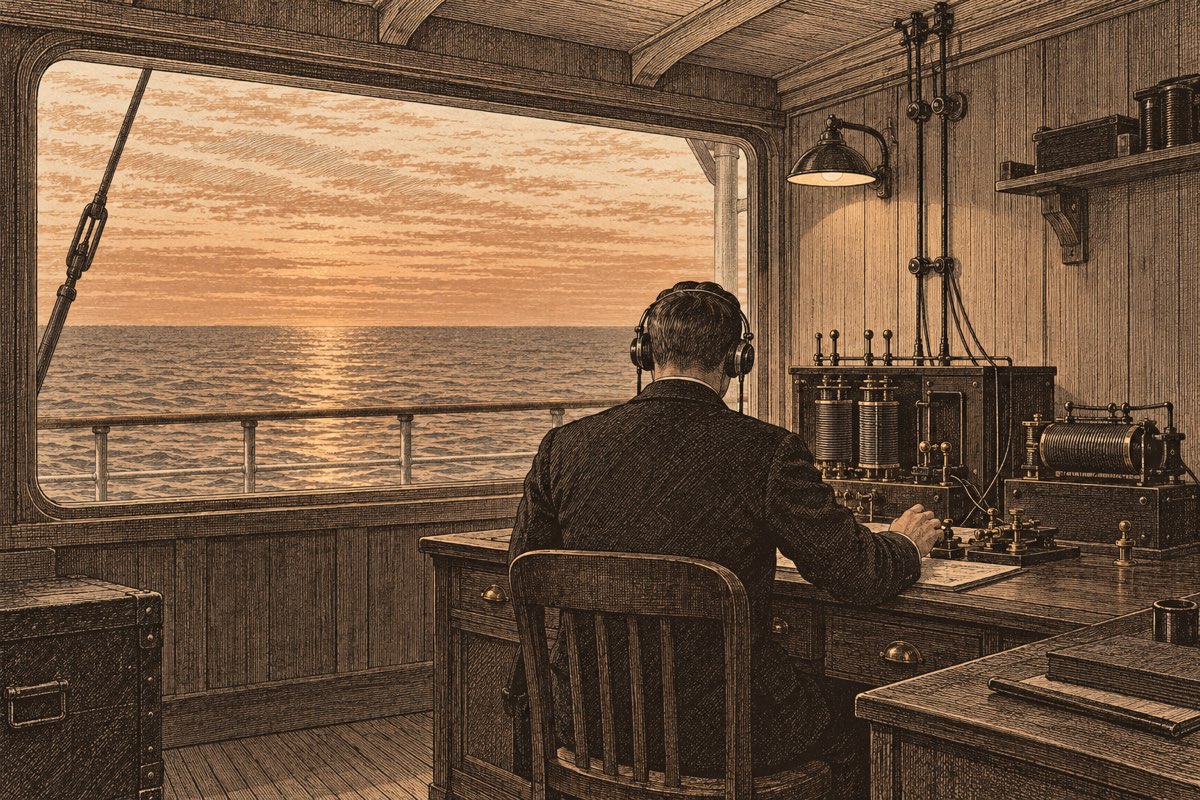
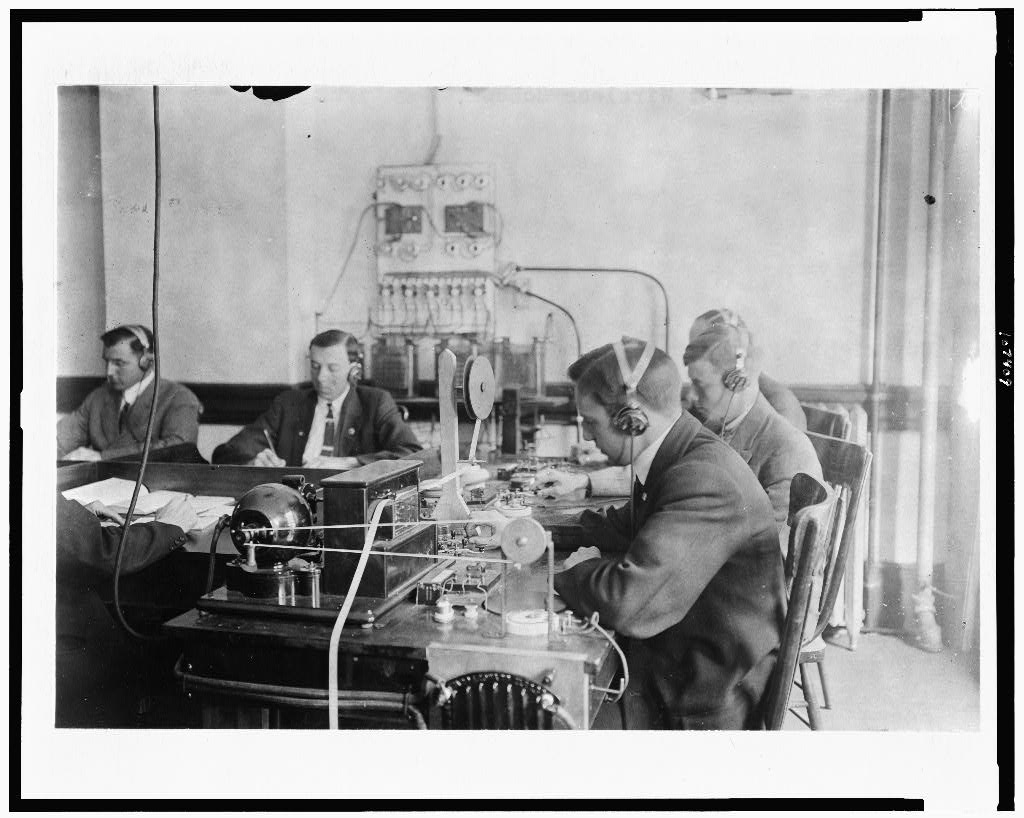
Wireless operators, CQD and SOS, 1904–1999
How shipboard wireless operators were trained, how the distress signals CQD and SOS came into use, and what changed at sea after the Titanic.
At sea · 1906–1999
500 kHz: the maritime Morse distress frequency
How 500 kHz became the frequency every ship listened on, and the silent periods, alarm signals and procedure that grew up around it.
At sea · 1909
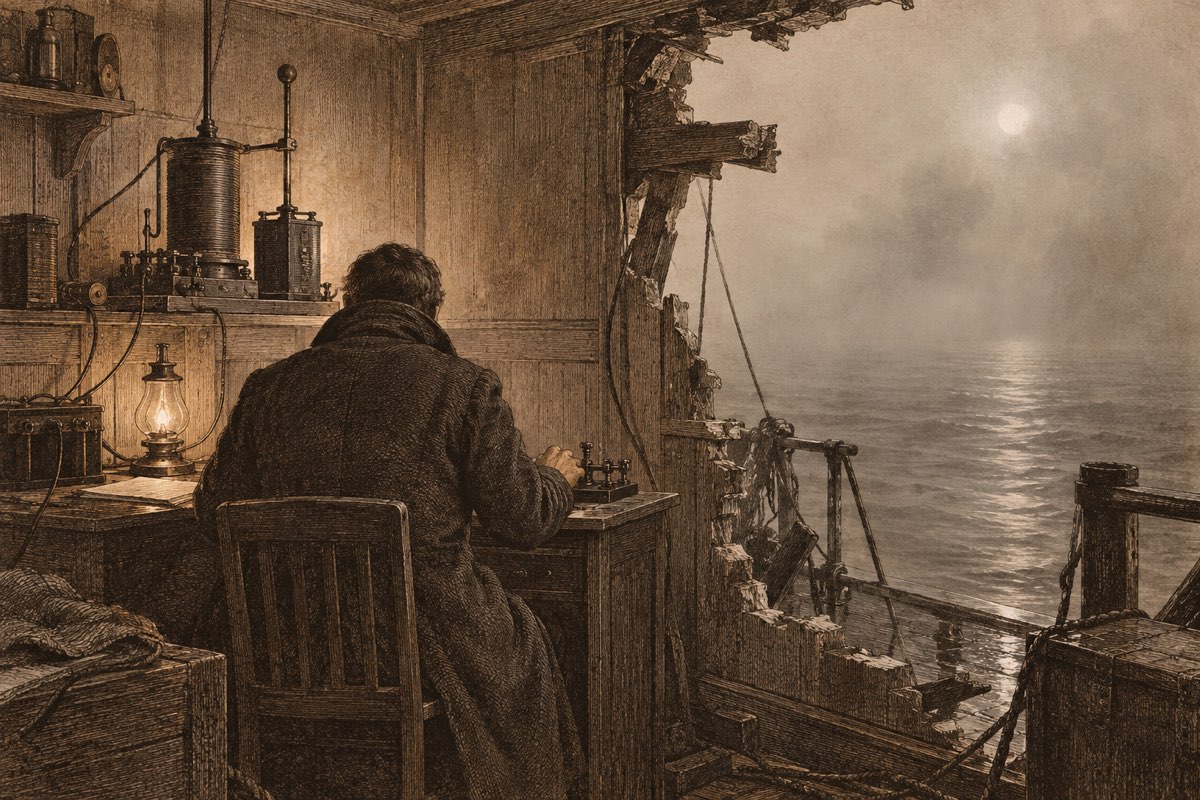
Jack Binns and the sinking of the Republic
How a Marconi operator aboard the White Star liner Republic kept a damaged wireless set working after a collision in fog off Nantucket, and how his calls brought rescue to some fifteen hundred people.
At sea · 1910
The arrest of Dr Crippen by wireless
How the captain of the liner Montrose recognised a wanted man among his passengers in July 1910 and used the ship’s Marconi set to alert the police in London.
At sea · 1912
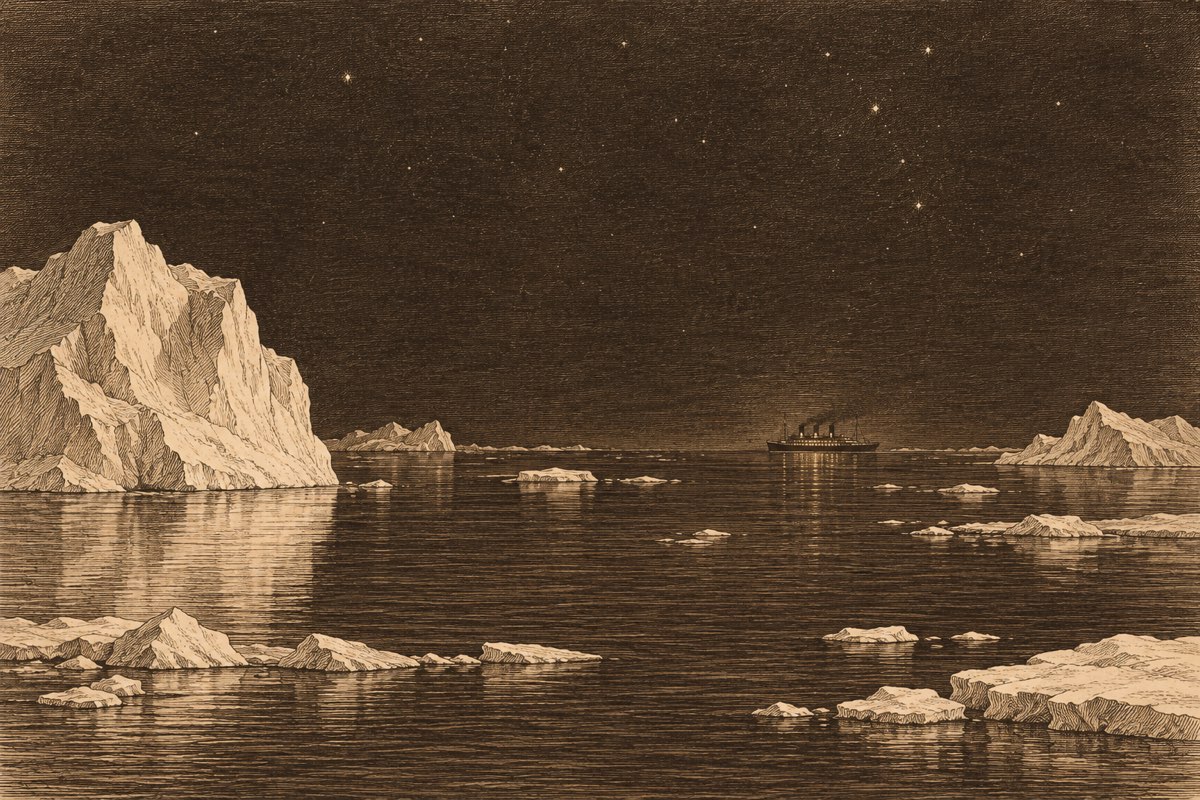
The Titanic’s ice warnings and the Californian’s silent set
What the ice messages sent to the Titanic on 14 April 1912 said, which of them reached the bridge, and why the nearest ship heard nothing of her distress calls.
At sea · 1912
Harold Cottam, the Carpathia’s only operator
How the single wireless operator on the Cunard liner Carpathia came to hear the Titanic’s distress call on the night of 14 April 1912, and what he did in the days after.
Everyday use · 1912–2007
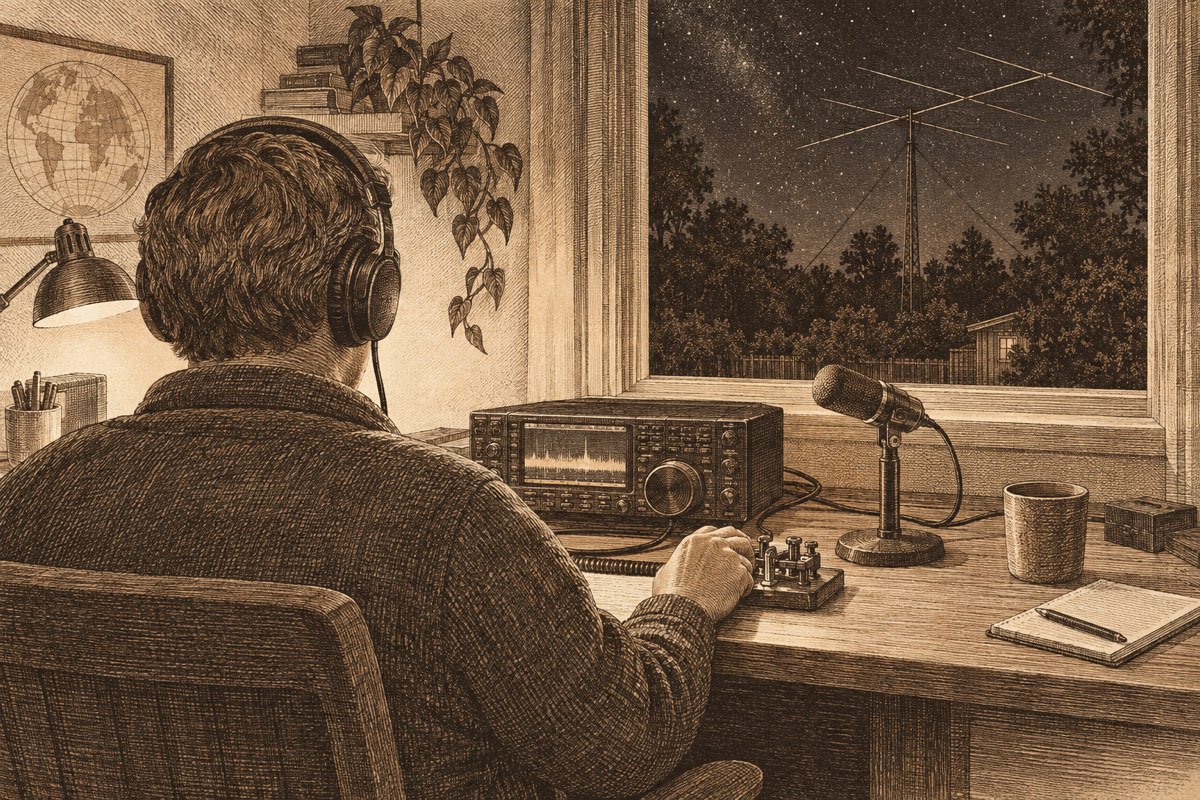
Amateur radio and the end of the US Morse licence requirement
How Morse tests governed amateur radio licensing in the United States for 95 years, and how the requirement was reduced and then removed in 2007.
At sea · 1913
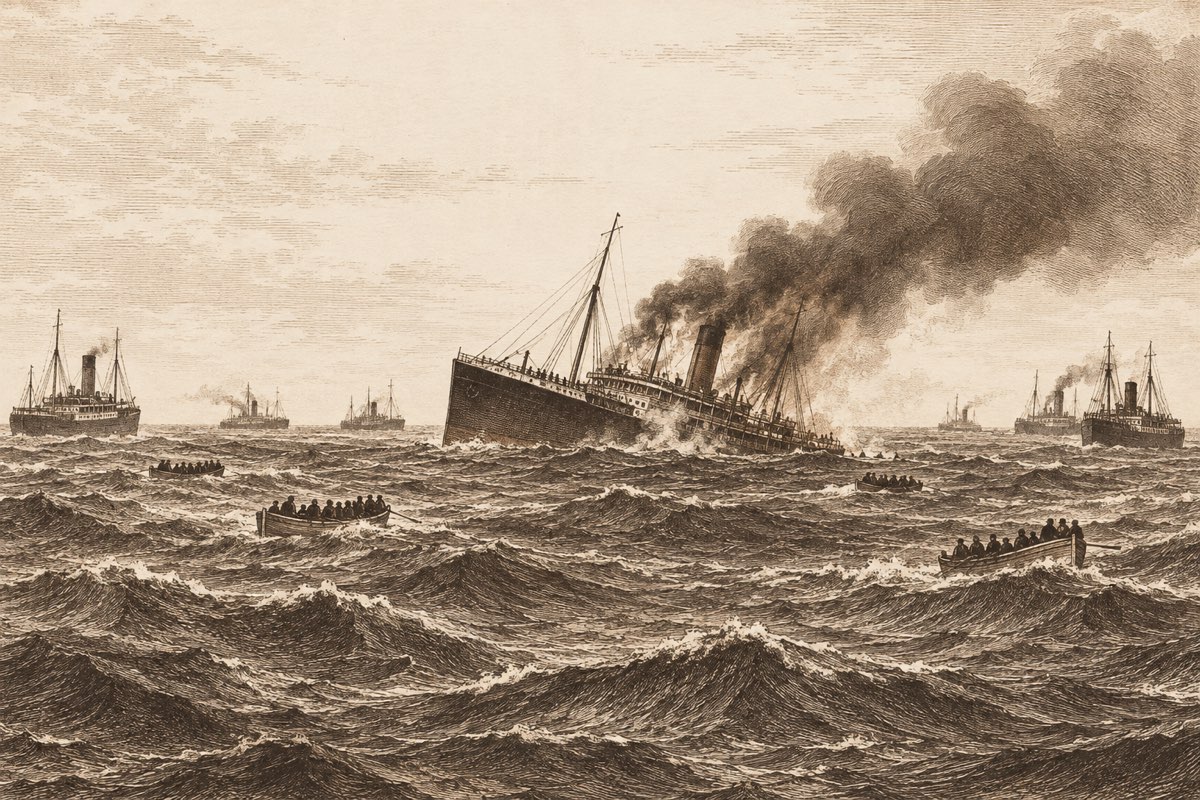
The Volturno fire and the ships that answered
How two Marconi operators aboard a burning emigrant ship in a North Atlantic gale in October 1913 called eleven ships to her position, ten of which took survivors off.
At war · 1914–1918
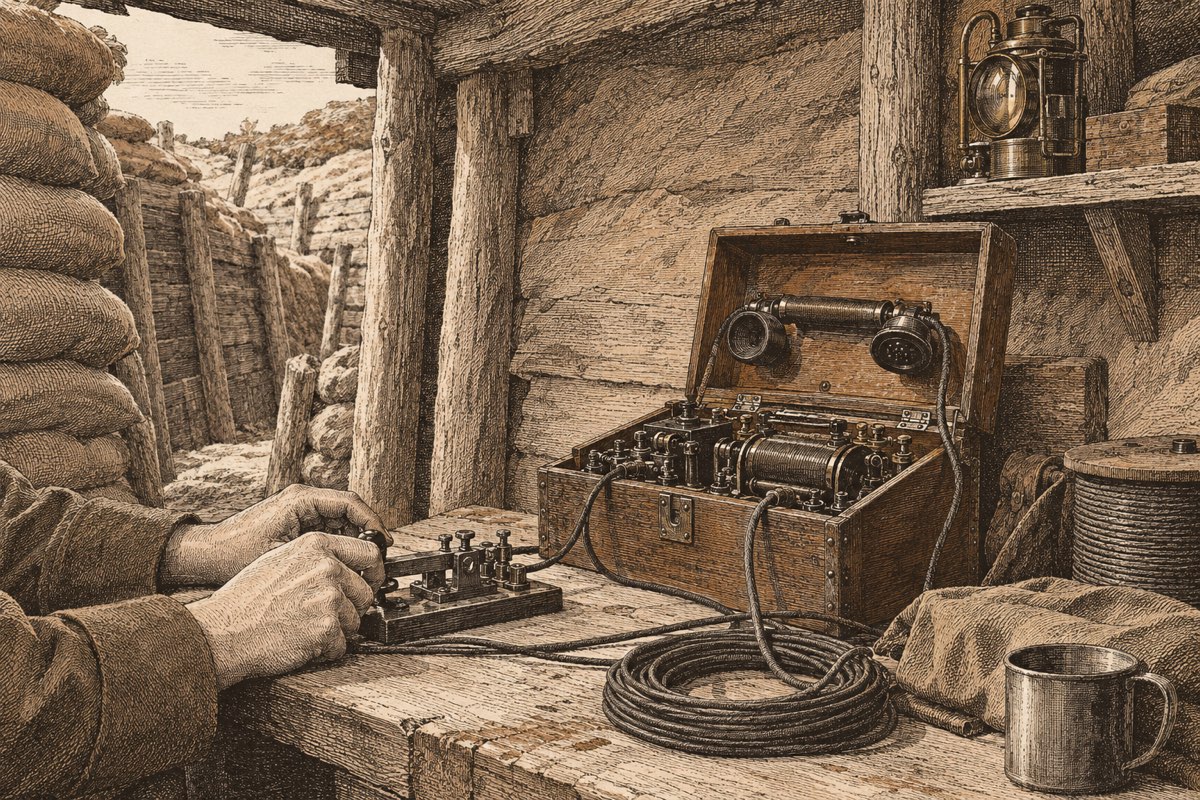
Buzzers, lamps and the Fullerphone in the trenches
How British signallers on the Western Front sent Morse by wire, light and flag, and how they dealt with an enemy listening through the ground.
At sea · 1915
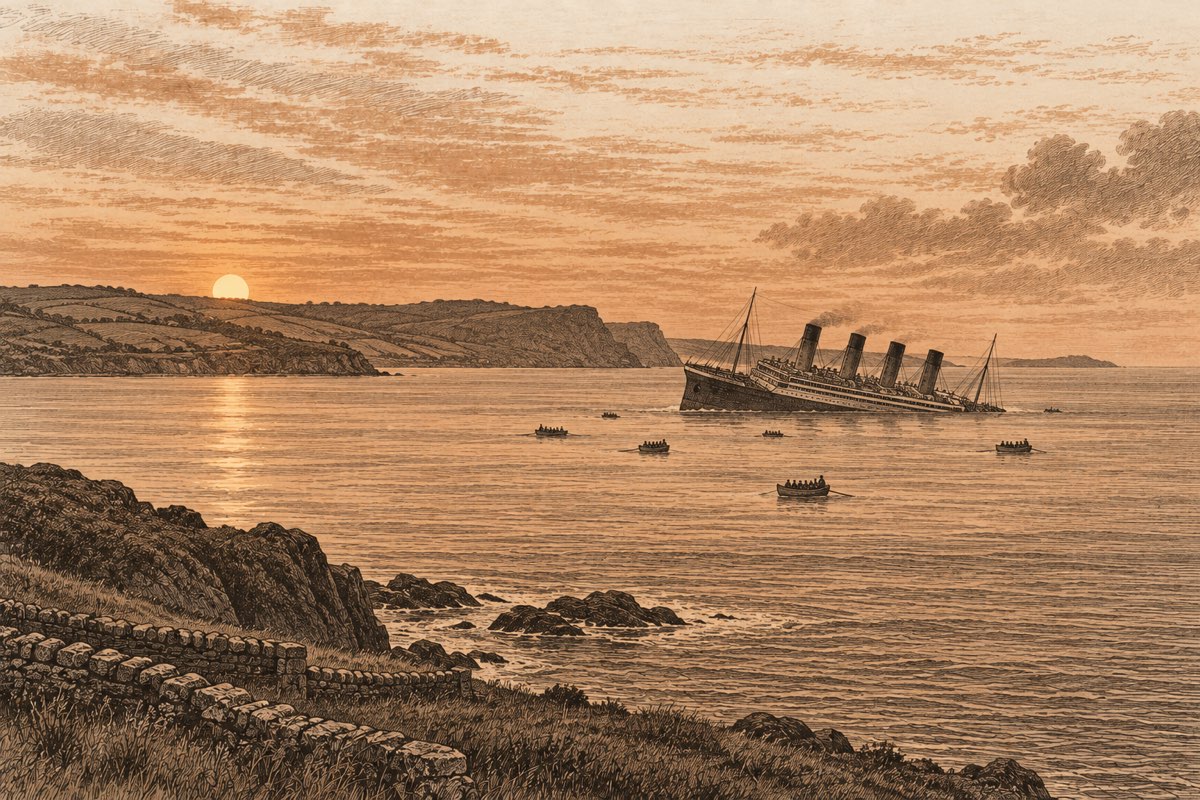
The Lusitania’s distress calls, 7 May 1915
What the Lusitania’s wireless operators sent in the eighteen minutes between the torpedo and the sinking, according to the senior operator’s evidence at the British inquiry.