History, page 3
At war · 1916
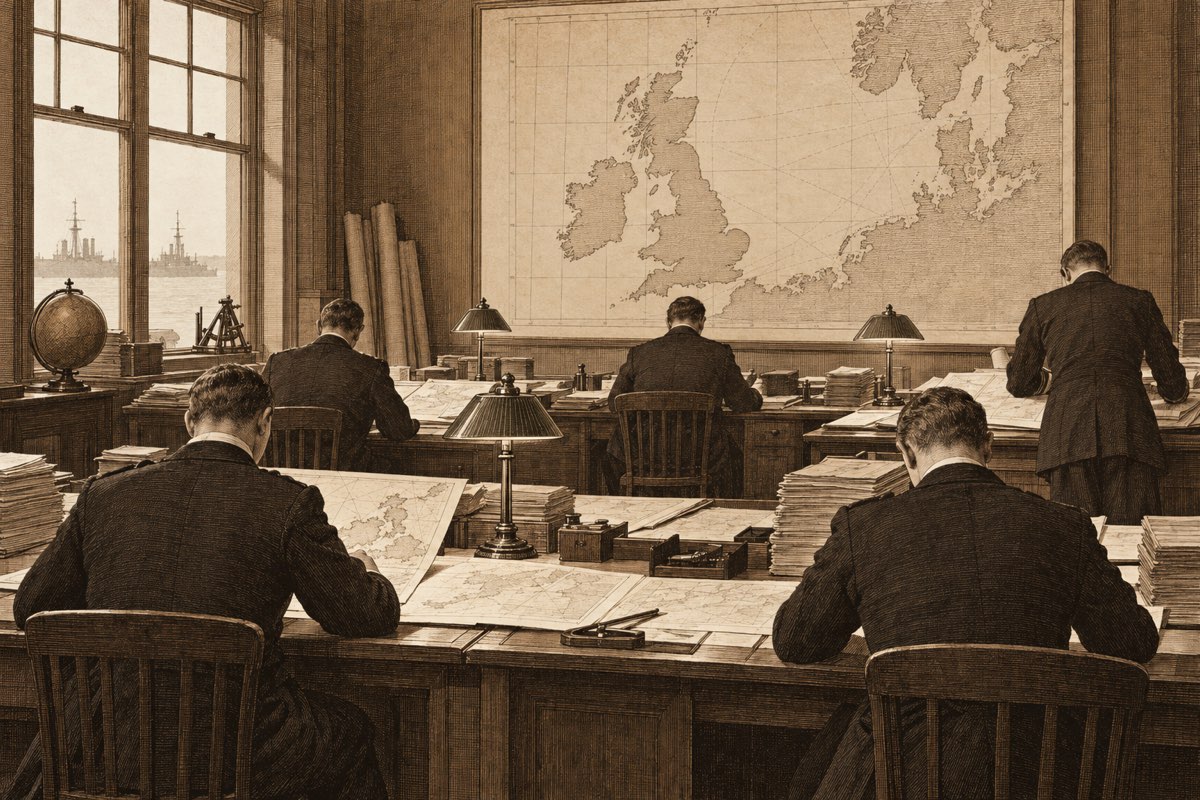
Wireless, direction finding and Room 40 at Jutland
How British naval intelligence knew the German fleet was putting to sea in May 1916, and how a misunderstanding about one call sign weakened that advantage.
At war · 1917
How the Zimmermann telegram travelled, and how Britain read it
The route a German offer of alliance to Mexico took across the Atlantic in January 1917, the codes it was sent in, and how British codebreakers turned it against Berlin.
At sea · 1928
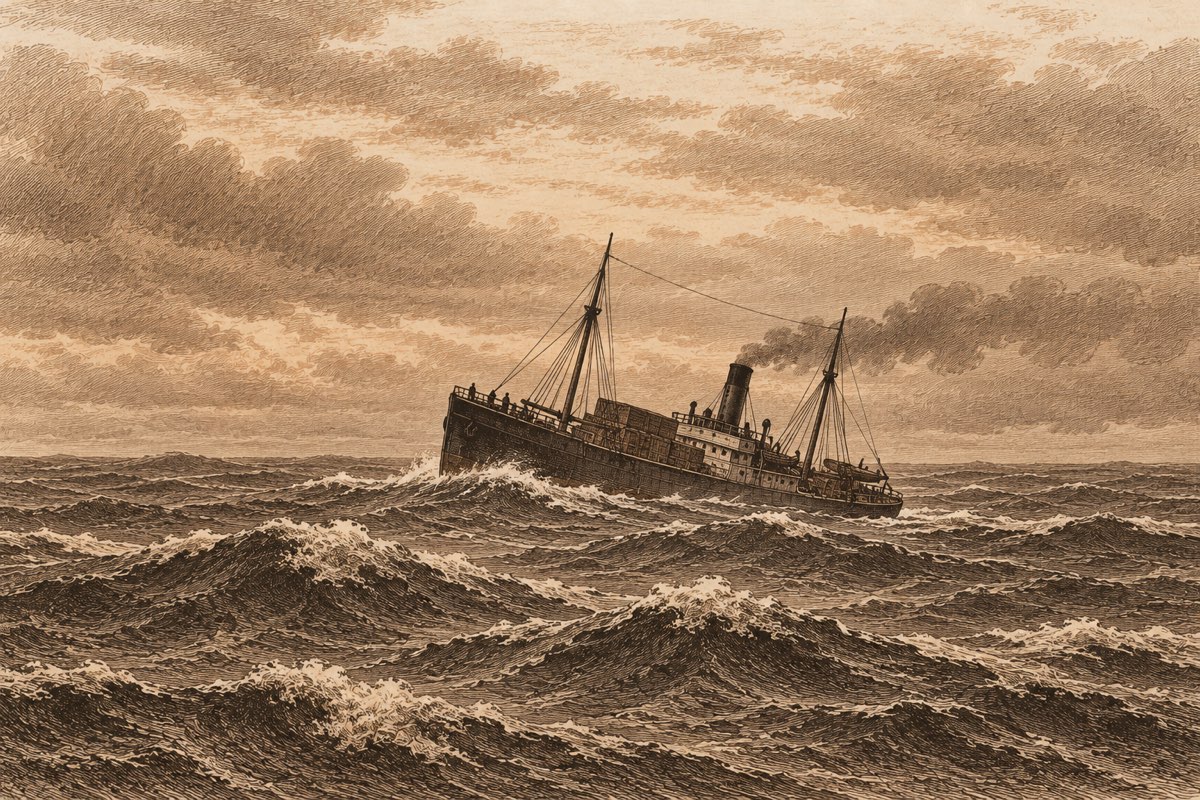
The Vestris and the SOS sent too late
How the Lamport & Holt liner Vestris sank off the Virginia coast in November 1928, why her distress call went out a day after she began to list, and what the inquiries said about it.
Everyday use · 1929–present
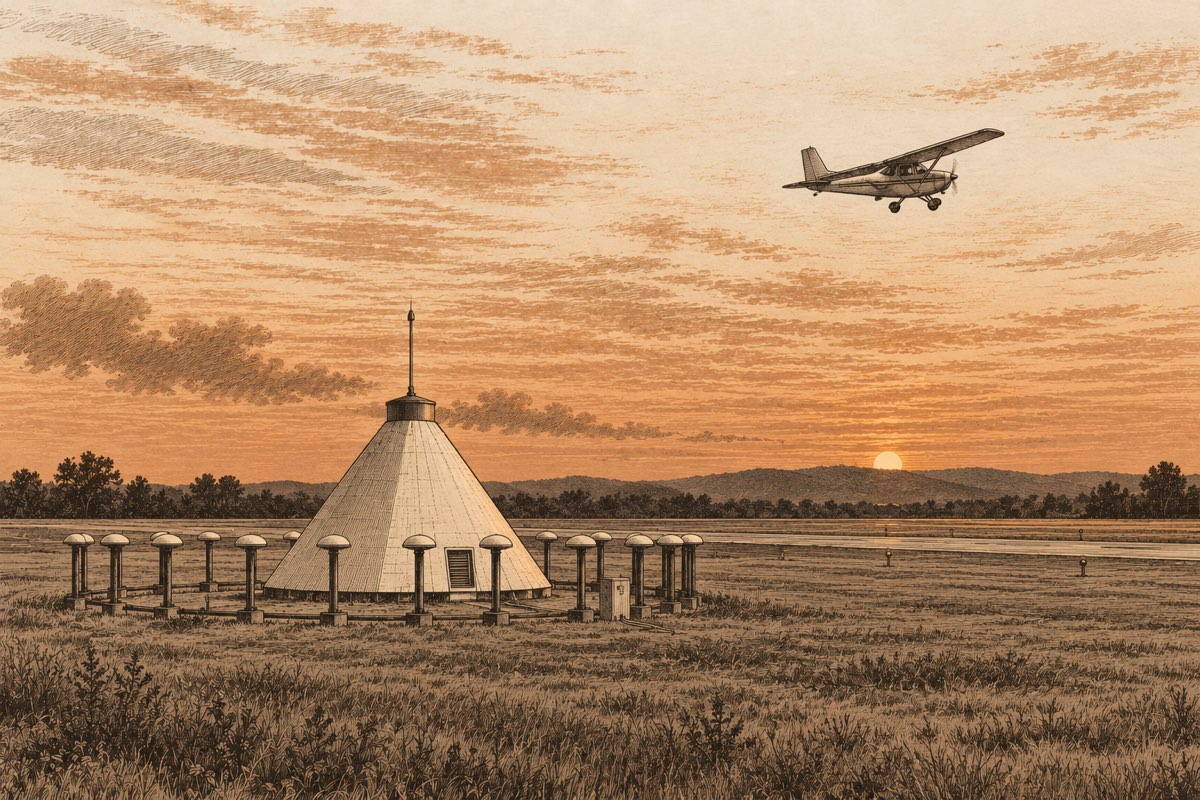
Aviation radio beacons that identify themselves in Morse
How pilots navigated by Morse letters on the low-frequency radio ranges and why VOR, NDB and ILS beacons still send their identifiers in Morse today.
At sea · 1934
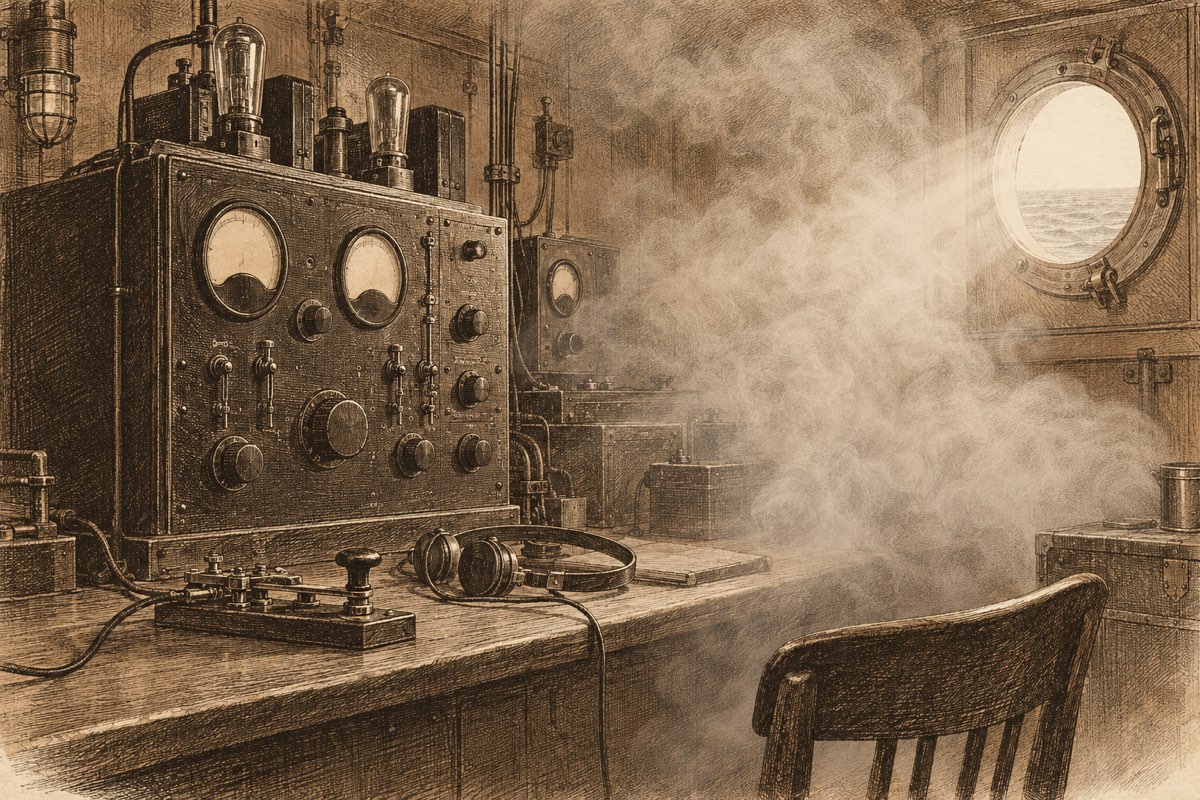
The Morro Castle fire and her radio operator
How the distress call from the burning liner Morro Castle was delayed in September 1934, and how the radio operator who sent it went from public hero to convicted criminal.
At war · 1939–1945
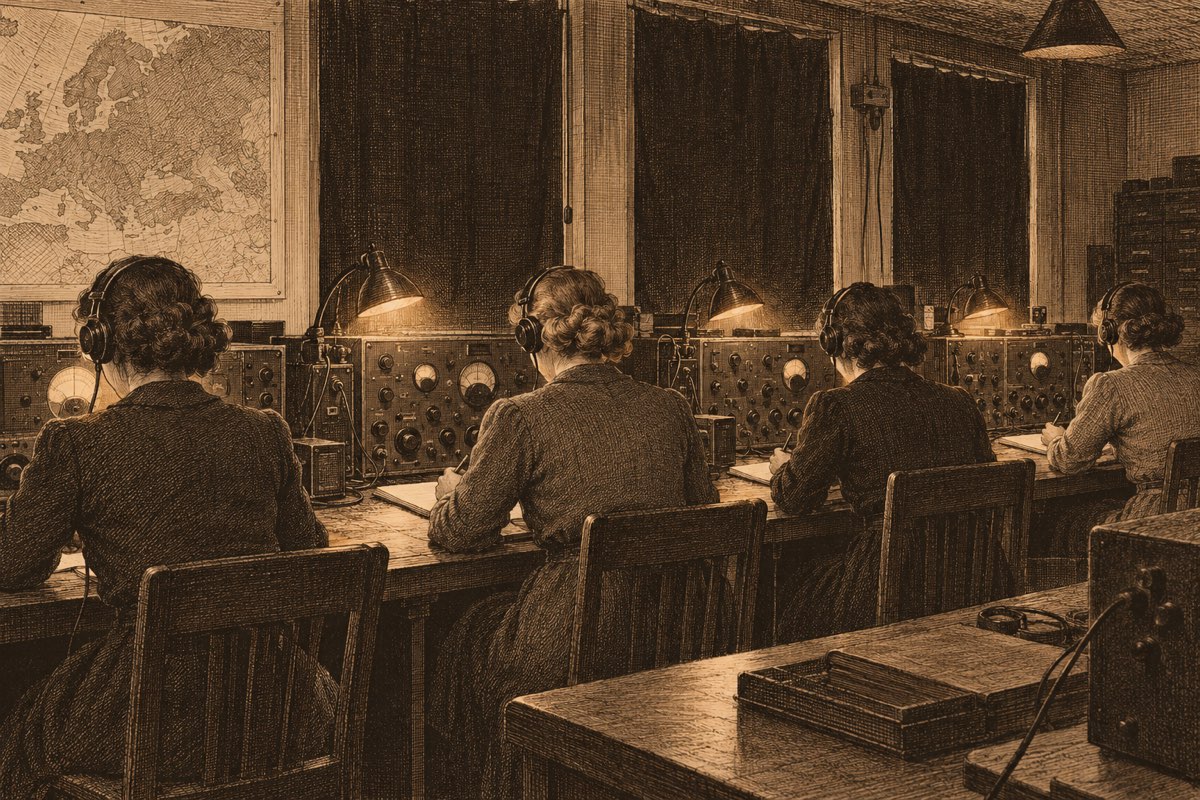
The Y Service operators who took down Enigma traffic
How thousands of intercept operators, many of them young women, copied German Morse signals by hand and sent them to Bletchley Park to be broken.
Everyday use · 1939
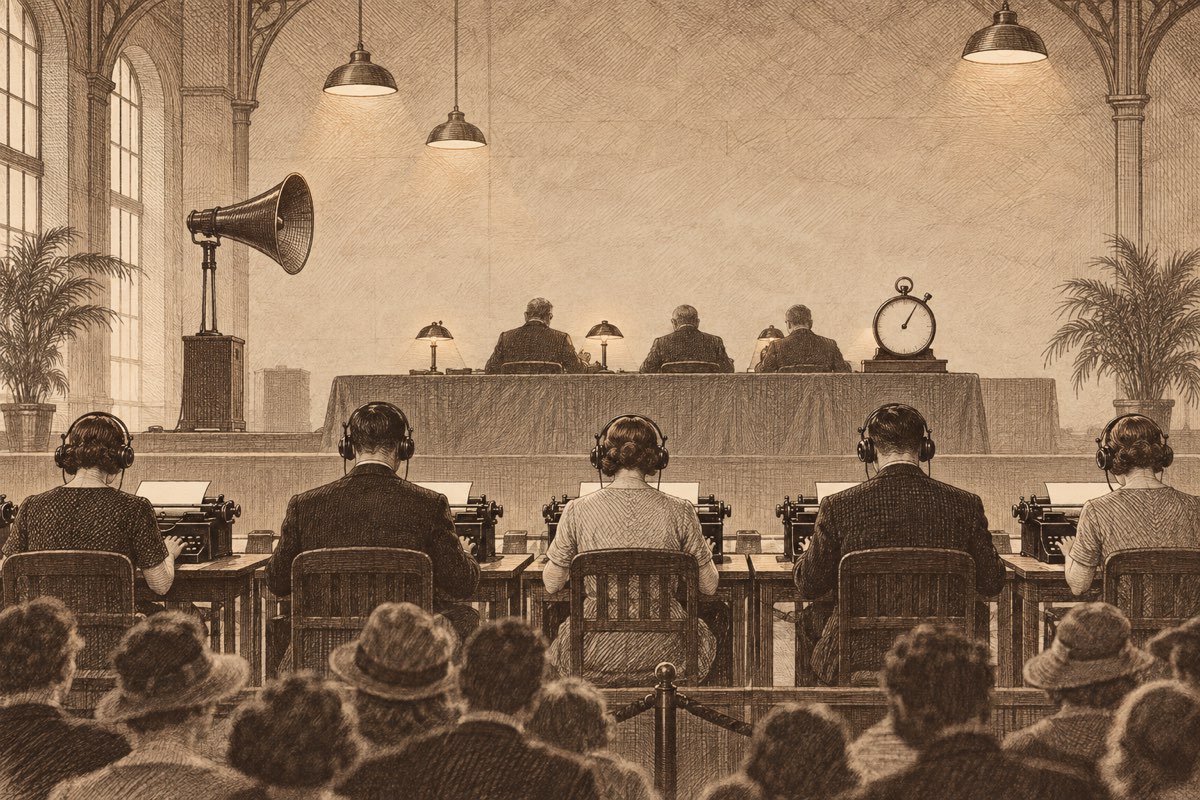
Ted McElroy and the 1939 code-speed record
How a former Western Union messenger became a champion radiotelegrapher and copied Morse at 75.2 words per minute in Asheville in 1939.
At war · 1942–1944
An operator’s fist and the Englandspiel
How Morse operators could be recognised by the way they sent, why security checks were added to agents’ messages, and how German counter-intelligence in the Netherlands exploited both.
At war · 1942
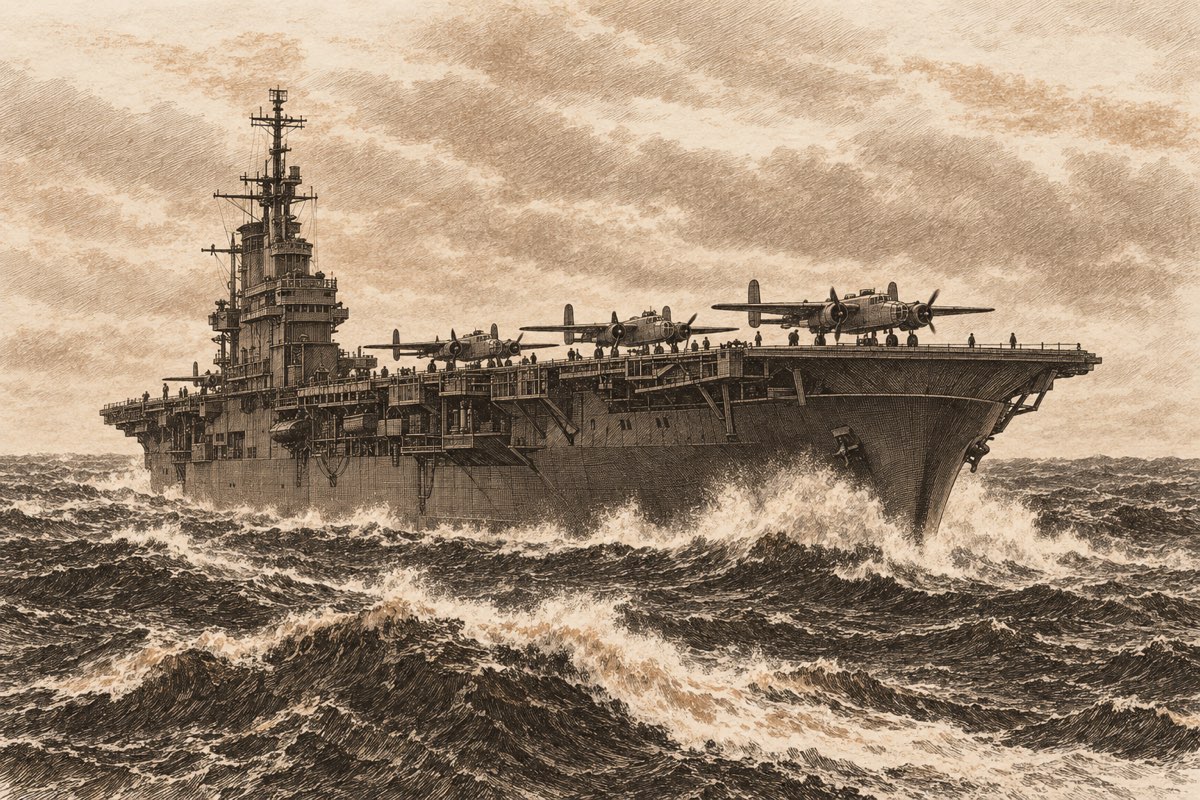
Radio silence on the way to the Doolittle Raid
How the US Navy task force that carried sixteen Army bombers towards Japan in April 1942 kept off the air, and what happened when a Japanese picket boat used its radio.
At war · 1943–1944
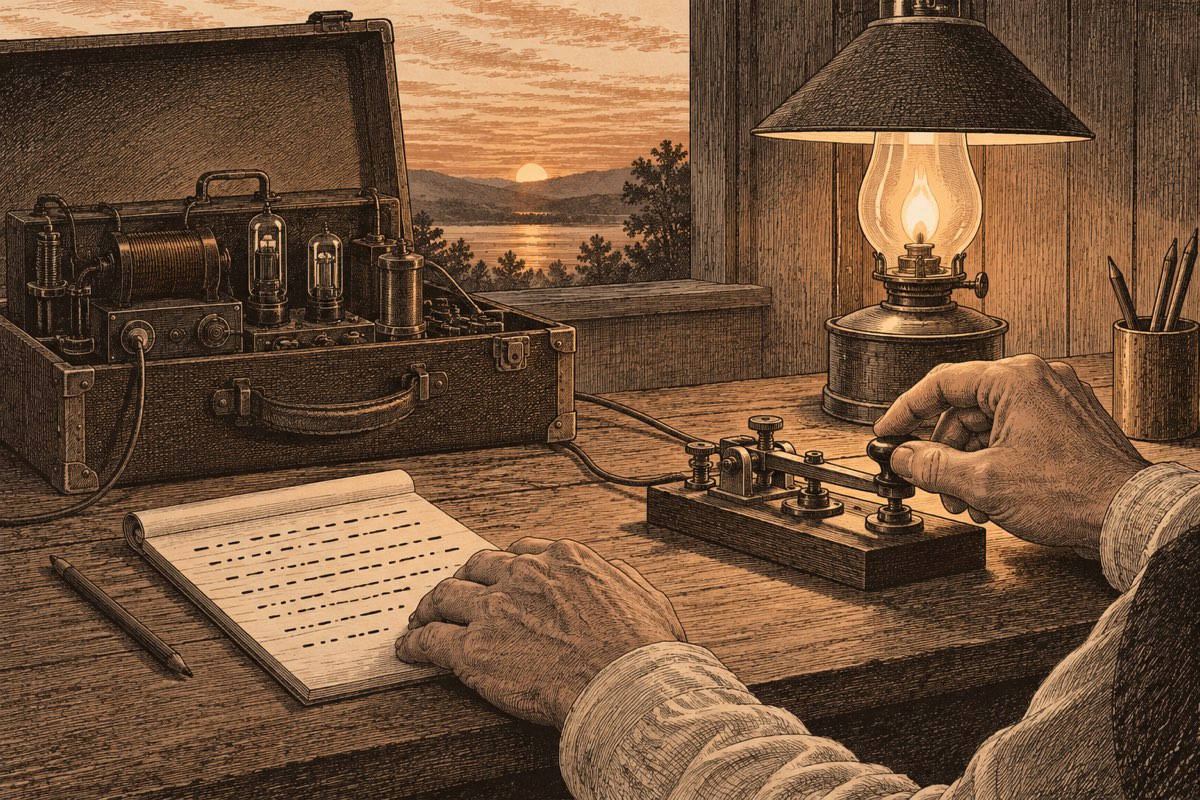
SOE wireless operators in France and Noor Inayat Khan
The work of the Special Operations Executive’s clandestine radio operators in occupied France, and the career of Noor Inayat Khan, the first woman sent there in that role.
At war · 1947–1991
Numbers stations and Morse in the Cold War
How intelligence services sent instructions to agents abroad as broadcasts of numbers on shortwave radio, some of them in Morse code.
At war · 1965–1973
The tap code in North Vietnamese prisons, and why it was not Morse
How American prisoners of war in Hanoi talked through cell walls with a grid code, and why they chose it over Morse.